
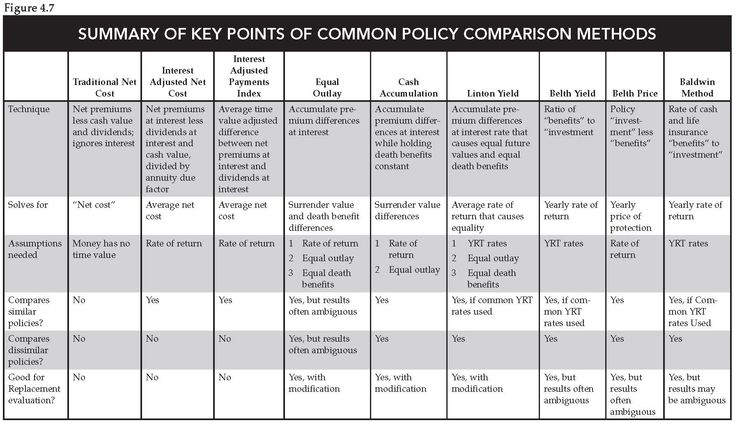
Choosing the right insurance policy can feel overwhelming. With so many options, terms, and coverage levels, it’s easy to get confused. That’s why having a clear insurance policy comparison guide is essential. By comparing policies carefully, you can find the coverage that meets your needs without overspending.
Why Compare Insurance Policies?
Not all insurance policies are created equal. Even if two policies seem similar, they may differ in:
- Coverage limits
- Premium costs
- Deductibles
- Exclusions and add-ons
- Claim handling process
Comparing policies ensures you get maximum protection for the best value. It also helps you avoid gaps in coverage or paying for unnecessary extras.
Steps to Compare Insurance Policies
Here’s a step-by-step approach to effectively compare insurance policies:
1. Identify Your Needs
Start by understanding what you need insurance for:
- Health: Coverage for doctor visits, hospitalization, and medications
- Life: Protection for family members in case of your death
- Home: Protection against fire, theft, or natural disasters
- Auto: Liability, damage, and personal injury coverage
- Business: Liability, property, and employee protection
Knowing your needs helps narrow down policies and avoids paying for coverage you don’t need.
2. Compare Coverage Options
Look at what each policy actually covers. Pay attention to:
- Types of risks covered
- Limits on coverage
- Optional add-ons or riders
- Exclusions (situations not covered)
For example, a standard home insurance policy may not cover floods or earthquakes. You would need a separate rider or policy for that.
3. Check Deductibles and Premiums
- Premiums: The amount you pay regularly for coverage
- Deductibles: The amount you pay out-of-pocket before insurance kicks in
Higher deductibles usually mean lower premiums, but you should ensure you can afford the deductible in case of a claim.
4. Review Claim Process and Customer Service
An insurance policy is only useful if claims are handled smoothly. Check:
- How claims are filed
- Average processing time
- Customer reviews and ratings
- Availability of support
5. Look for Discounts and Bundles
Many insurers offer discounts if you:
- Bundle multiple policies (e.g., auto + home)
- Have safety features (smoke detectors, security systems)
- Maintain a good driving record
These can save you a significant amount on premiums.
6. Evaluate the Insurance Provider
The reputation and financial stability of the insurance company matter. Look for:
- Years in business
- Credit ratings and financial strength
- Customer satisfaction scores
A reliable insurer ensures your claims will be paid when needed.
Tips for Effective Policy Comparison
- Use Comparison Tools: Online comparison platforms let you see multiple policies side by side.
- Read the Fine Print: Check for exclusions, limits, and conditions carefully.
- Ask Questions: Don’t hesitate to contact the insurer for clarification.
- Update Your Coverage: As your life circumstances change, review and adjust your policies.
- Focus on Value, Not Just Price: Cheapest policies may lack essential coverage.
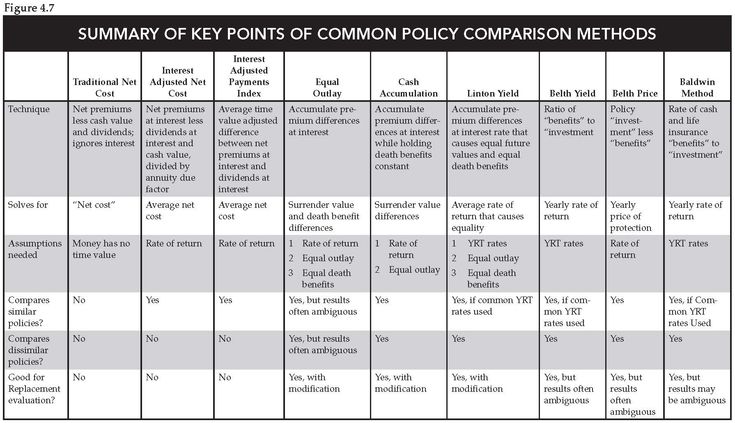
Common Mistakes to Avoid
- Choosing coverage based solely on cost
- Ignoring exclusions and limitations
- Not comparing multiple insurers
- Forgetting to reassess coverage periodically
Conclusion
Comparing insurance policies is a crucial step in protecting yourself, your family, or your business. By carefully evaluating coverage options, premiums, deductibles, and the insurer’s reliability, you can make informed decisions that provide the best protection at a reasonable cost. A well-chosen insurance policy brings peace of mind, knowing you’re prepared for life’s uncertainties.