
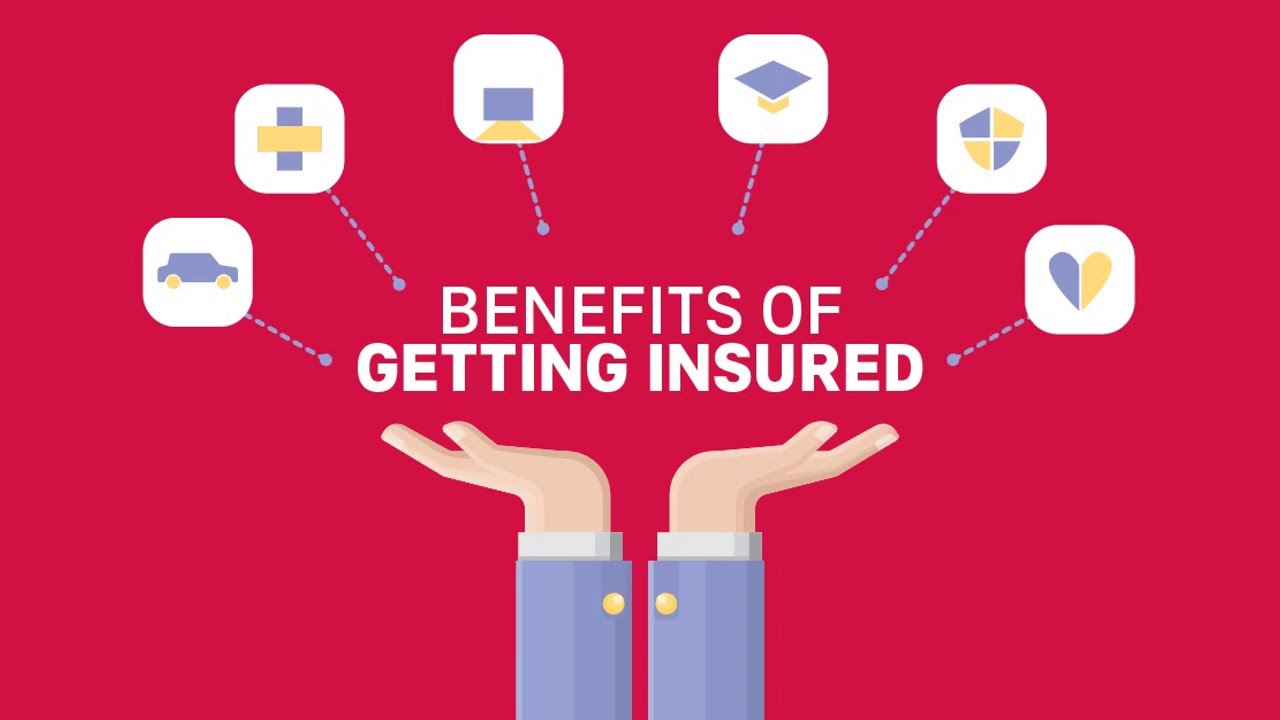
In today’s unpredictable world, insurance is more than just a legal requirement or financial formality — it’s a safety net that protects you, your family, and your assets from unexpected events. Whether it’s health emergencies, accidents, property damage, or liability issues, having the right insurance plan provides peace of mind and financial security.
Let’s explore the top benefits of having insurance and why it should be a priority for everyone.
1. Financial Protection Against Unexpected Losses
The most obvious benefit of insurance is that it protects you from financial setbacks. Life is unpredictable, and accidents, illnesses, natural disasters, or theft can lead to massive expenses.
- Health insurance covers hospital bills, surgeries, and prescriptions.
- Home insurance protects your property against fire, theft, or natural disasters.
- Car insurance covers vehicle repairs or third-party damages.
Without insurance, these costs would have to be paid out-of-pocket, which can be financially devastating.
2. Peace of Mind
Knowing that you are protected against risks allows you to live and work with confidence. Insurance reduces stress and uncertainty by ensuring that:
- Your family will be supported financially in case of your death (life insurance).
- Your property and possessions are covered against damage or loss.
- Medical emergencies won’t drain your savings.
Peace of mind is especially valuable for students, young professionals, homeowners, and business owners alike.
3. Support for Your Family
Life insurance and health insurance play a vital role in securing your family’s future. In the event of an unexpected tragedy:
- Life insurance provides financial support for dependents, helping cover living expenses, education, and debts.
- Health insurance ensures that family members receive proper medical care without causing financial strain.
Insurance ensures that your loved ones are not left vulnerable during difficult times.
4. Encourages Savings and Investment
Certain insurance policies, such as whole life insurance or endowment plans, also act as a savings or investment tool. Benefits include:
- Accumulation of cash value over time
- Guaranteed payouts on maturity
- Financial discipline by regularly paying premiums
By combining protection and savings, insurance can help you plan for long-term goals like retirement or children’s education.
5. Protection from Legal Liabilities
Insurance, particularly liability insurance, protects you from legal and financial consequences if you’re held responsible for someone else’s injury or property damage.
Examples:
- Auto insurance covers damages caused by your vehicle.
- Home liability insurance protects if a visitor is injured on your property.
- Business liability insurance safeguards your startup against lawsuits.
Without insurance, these claims could be financially crippling.
6. Enables Risk-Taking and Entrepreneurship
Insurance empowers individuals and businesses to take calculated risks without fearing catastrophic losses.
- Entrepreneurs can start new ventures knowing they have liability or property coverage.
- Investors and professionals can explore opportunities while mitigating potential financial setbacks.
In this way, insurance fuels innovation and economic growth.
7. Access to Better Healthcare
Health insurance gives you access to:
- Preventive care, such as vaccinations and regular checkups
- Timely treatment for illnesses and injuries
- Specialized care that might otherwise be unaffordable
It ensures that medical emergencies don’t lead to financial ruin while promoting better overall health.
8. Compliance with Legal and Regulatory Requirements
In many countries, certain types of insurance are mandatory, such as:
- Auto insurance for vehicle owners
- Workers’ compensation insurance for employers
- Health coverage in some regions
Having insurance keeps you compliant with laws and prevents penalties or fines.
9. Encourages Responsible Behavior
Insurance policies often include safety incentives:
- Discounts for installing fire alarms or security systems at home
- Safe driving rewards in car insurance
- Health programs for wellness and preventive care
These incentives encourage responsible and safer behavior, reducing the likelihood of accidents or losses.
10. Provides Long-Term Security
Ultimately, insurance provides long-term financial stability. It allows you to:
- Recover from unforeseen events
- Protect your assets and family
- Plan for retirement, education, or major life events
- Maintain financial independence even during crises
Without insurance, a single unexpected event could derail your financial future.
Conclusion
The benefits of having insurance extend far beyond paying for unexpected losses. From financial protection, peace of mind, and family security to investment growth and legal compliance, insurance is an essential part of personal and professional planning.
By choosing the right policies tailored to your needs — whether it’s health, life, home, auto, or business insurance — you can safeguard your future and navigate life’s uncertainties with confidence.